


Nashville buyers may not want to put their home-buying plans on hold this winter.
While spring is often assumed to be the ideal time to buy a home, market data shows that January can be one of the most strategic months of the year for budget-conscious buyers, especially in competitive Middle Tennessee markets.
For buyers considering buying a home in Nashville, understanding how seasonality affects pricing, competition, and negotiating leverage can make a meaningful difference.
Is January a Good Time to Buy a Home in Nashville?
Yes. January is often one of the best times to buy a home in Nashville for buyers focused on value and negotiating leverage. Prices tend to be lower, competition is lighter, and sellers are often more flexible than they are during the spring market.
This combination can make the buying process less stressful and more cost-effective for prepared buyers.
1. Home Prices Tend to Be Lower in January
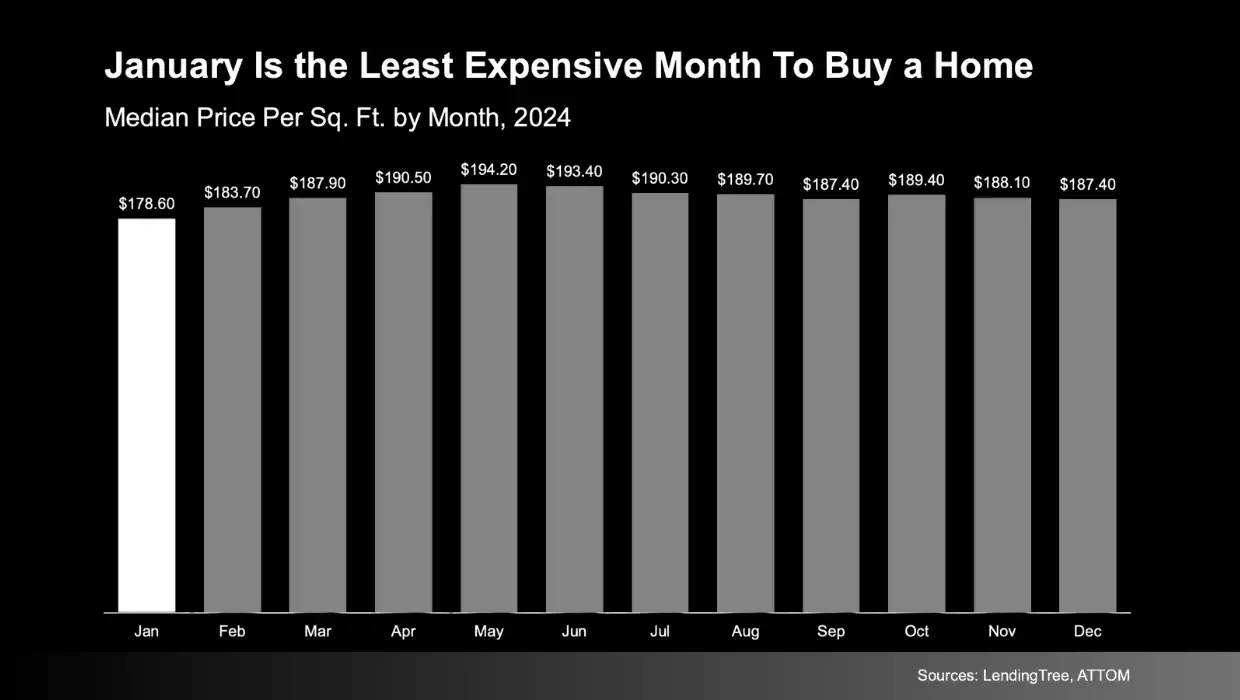
According to LendingTree’s national housing data, January consistently ranks as the least expensive month to buy a home.
Seasonal trends within the Nashville real estate market often follow this same pattern. Winter months typically see softer pricing as buyer demand slows, while prices frequently rise as spring approaches.
What Does That Mean for Buyers?
Based on the most recent full year of national data, buyers who closed on a 1,500-square-foot home in January paid roughly $23,000 less than buyers who purchased a similar house in May.
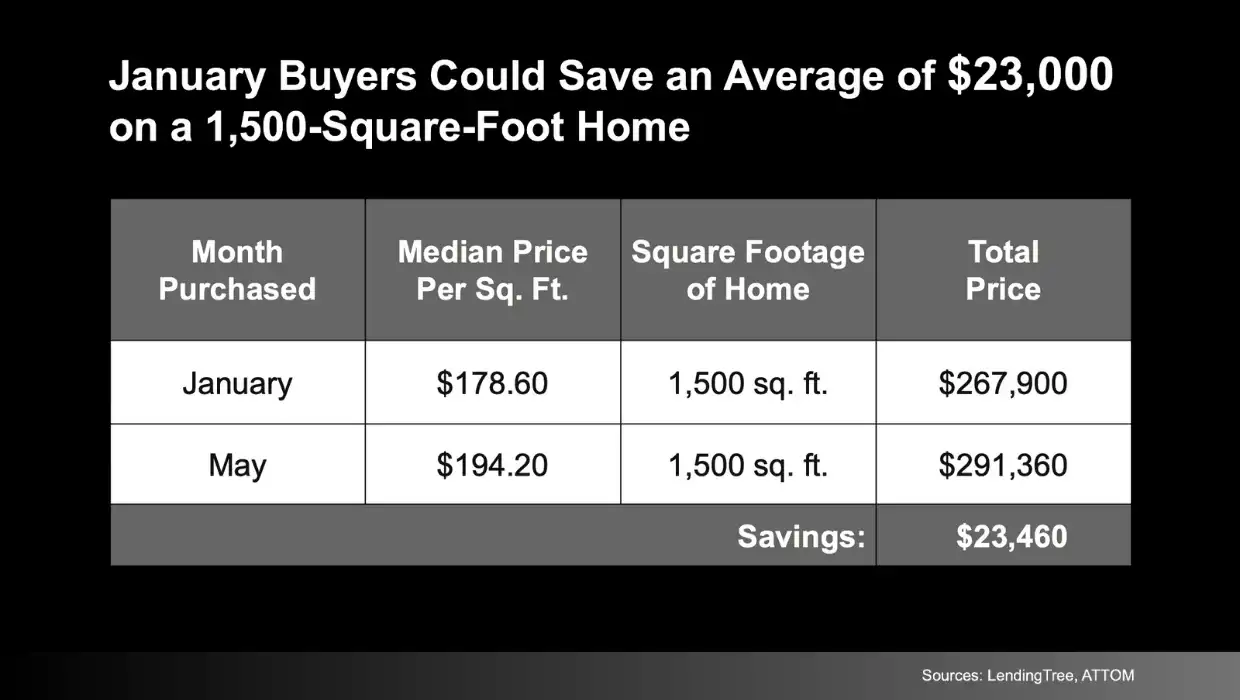
Actual savings in the Nashville area depend on neighborhood, home size, condition, and property type, including single-family homes, condos, or new construction. However, the seasonal pricing pattern itself is consistent and meaningful for affordability.
2. Fewer Buyers Means Less Competition
Winter is traditionally one of the slowest periods of the housing market. Many buyers pause their search during the holidays and plan to resume in the spring.
That slowdown creates clear advantages for those who stay active:
– Fewer buyers competing for the same homes
– Lower chances of multiple-offer situations
– More time to evaluate properties without pressure
– Stronger negotiating leverage
This dynamic is especially noticeable in Franklin and other Middle Tennessee communities, where spring demand often intensifies quickly.
3. January Sellers Are Often More Motivated
Winter does not just thin out the buyer pool. It also reveals which sellers truly need to sell.
Homes listed in January are often tied to specific circumstances such as job relocations, construction or development timelines, properties that did not sell in the fall, or financial and tax-related deadlines.
In some cases, this includes new construction opportunities that align with builder schedules rather than peak spring demand.
With fewer buyers touring homes, sellers are often more open to negotiation.
As Realtor.com explains, less competition often means fewer bidding wars and more power to negotiate items such as closing cost credits, home warranties, and repair concessions.
How January Compares to Other Times of the Year
One reason winter buying is often overlooked is that it is rarely compared objectively. Here is how January typically stacks up against other seasons.
| Time of Year | Buyer Competition | Price Pressure | Negotiation Leverage |
|---|---|---|---|
| January | Low | Lower | High |
| Spring | High | Higher | Low |
| Summer | Moderate | High | Low |
| Fall | Moderate | Neutral | Moderate |
Should You Wait Until Spring to Buy?
Spring usually brings more listings, but it also brings more buyers.
That often results in increased competition, faster decision timelines, reduced negotiating power, and higher purchase prices.
For buyers relocating to Nashville, January can feel more manageable and less rushed than the spring market.
Why January Can Be a Smart Move in Middle Tennessee
In Middle Tennessee, winter listings are frequently driven by relocations, development schedules, and construction timelines. These factors often produce more pragmatic sellers and more realistic pricing.
Frequently Asked Questions
1- Is January a good time to buy a home in Nashville?
Yes. January often offers less competition, potentially lower prices, and more motivated sellers compared to spring.
2- Are home prices really lower in January?
Historically, January has one of the lowest price-per-square-foot averages of the year, though results vary by property and location.
3- Is inventory lower in January?
Inventory is usually lower than in spring, but reduced competition can offset fewer listings.
4- Do sellers negotiate more in winter?
Many sellers listing in January have specific reasons to move and are often more open to concessions.
5- Is January good for first-time buyers?
It can be. Reviewing first-time homebuyer resources before starting can make the winter buying process smoother.
What This Means for Nashville Homebuyers
January often creates a different buying environment than the rest of the year. Lower competition, more flexible sellers, and seasonal pricing patterns can give prepared buyers more room to negotiate and make thoughtful decisions.
While timing alone should never be the only factor in a home purchase, buyers who understand how seasonality affects the market are often better positioned to take advantage of opportunities that may not exist once spring demand increases.
The best way to know whether January makes sense for you is to evaluate current inventory, pricing, and your personal goals. Looking at real-time data in today’s Nashville market can help clarify whether moving forward now or waiting better aligns with your situation.
The best way to take the next step is to review current inventory and your numbers based on today’s market conditions.
About the Author
This article was prepared by a local Nashville real estate advisor with experience guiding buyers through seasonal market shifts across Middle Tennessee.
Social Cookies
Social Cookies are used to enable you to share pages and content you find interesting throughout the website through third-party social networking or other websites (including, potentially for advertising purposes related to social networking).