


Contract cancellations in the U.S. recently hit their highest rate since 2017, according to Redfin data. For sellers preparing to list in Nashville, Brentwood, or Franklin, that number is worth understanding because most cancellations trace back to a single, controllable cause.
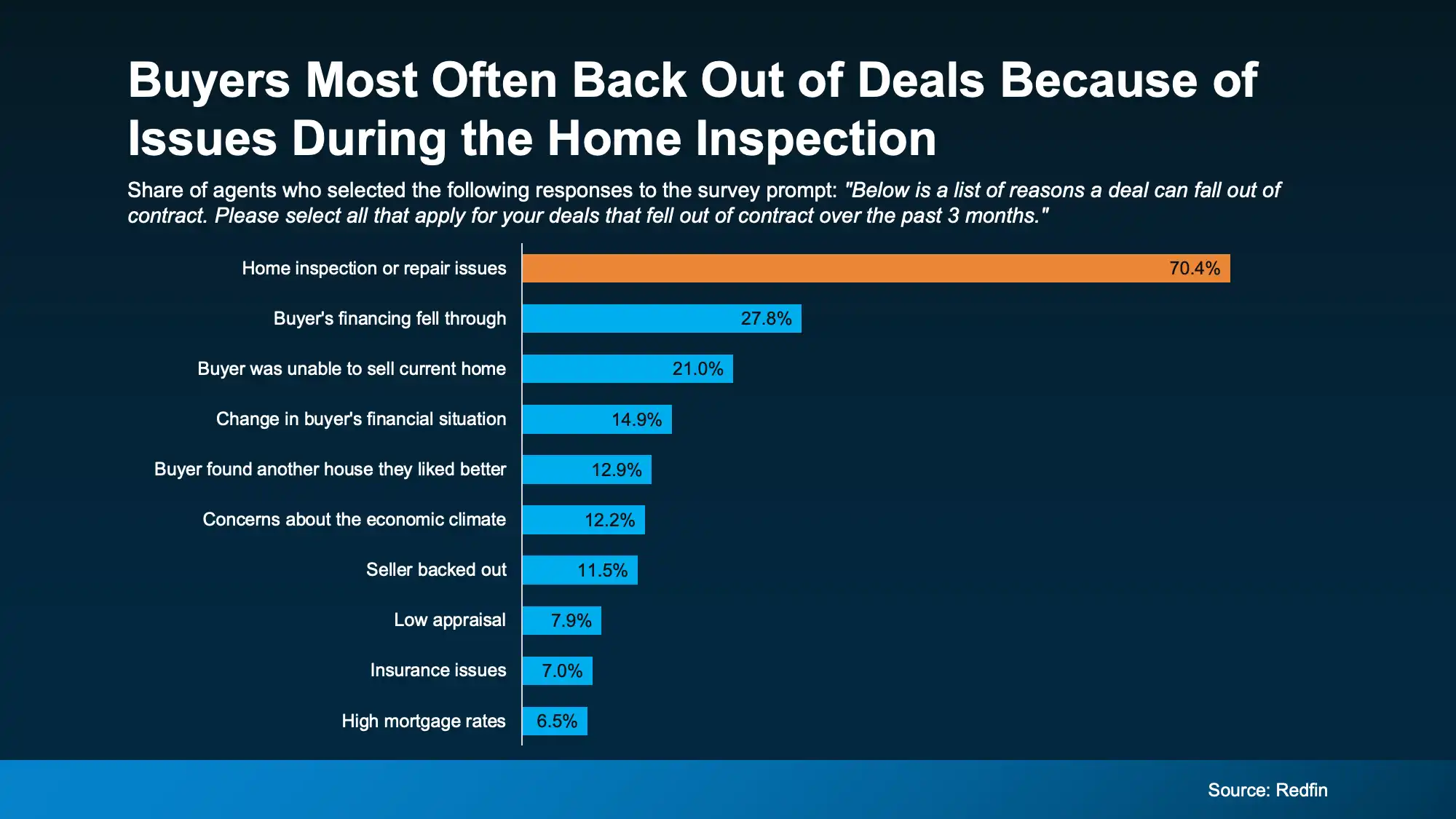
Home inspection issues drive more than 70% of cancelled contracts, according to a Redfin survey. That means the biggest risk to your deal is not market conditions or buyer financing. It is what a licensed inspector finds in your home after you are already under contract. The sellers who avoid that outcome are the ones who deal with it before they list.
Why Are Buyers Walking Away From Contracts More Often?
The answer comes down to options. Two or three years ago, buyers in Middle Tennessee were competing for limited inventory and tolerating issues they would have otherwise flagged. That dynamic has shifted. With more homes available across multiple price ranges, buyers have the leverage to walk away from a property that raises concerns, and they are using it.
When a buyer reads a lengthy inspection report or discovers a significant defect, the question shifts from ‘how much will this cost?’ to ‘what else are they not telling me?’ That second question is the one that collapses deals. It is also the one that proactive sellers can prevent from ever being asked.
Which Home Inspection Issues Cause Buyers to Back Out?
Not all defects are equal. Cosmetic wear rarely derails a transaction. Systemic and safety-related issues are a different matter. According to Zillow, the categories that most consistently cause buyers to pause or walk away include:
- Roof leaks or damage: sagging, leaking, etc.
- Plumbing problems: standing water, leaks, water damage, etc.
- Electrical concerns: outdated or exposed wiring, missing GFCI outlets, etc.
- HVAC issues: non-functioning units
- Pest or insect damage: termite colonies, etc.
- Hazardous materials: lead, mold, asbestos, etc.
- Safety/code violations: missing smoke detectors, windows stuck closed, etc.
- Structural problems: cracks in the foundation, sagging floors, etc.
Most sellers are not dealing with all of these. One or two items in this range are typical. The goal is to know which ones apply before your buyer’s inspector finds them.
Should You Get a Pre-Listing Inspection Before Selling?
A pre-listing inspection is a standard home inspection ordered by the seller before the property goes to market. The result is the same report a buyer’s inspector would produce, but you receive it first. That timing changes everything: you can repair issues, disclose conditions upfront, or adjust your pricing before any offer is on the table.
For Middle Tennessee sellers, the case for a pre-listing inspection has grown alongside buyer leverage. Negotiations under contract are harder than they look. Deadlines are tight, contractors are not always available, and buyers who have started second-guessing a purchase are difficult to hold. Addressing known issues in advance removes that pressure entirely. Finding the right inspector is part of what an experienced local agent handles.
Key Finding: Pre-listing inspections allow sellers to address issues proactively, disclose conditions upfront, and avoid last-minute repair negotiations under contract pressure. The right inspector can also distinguish true dealbreakers from minor items buyers are likely to accept.
How Do You Know Which Repairs Are Worth Making?
Not every item on an inspection report requires a fix. Some conditions can be disclosed and priced for. Others are legitimate dealbreakers that will surface in every inspection and must be addressed before listing. Knowing which is which requires someone with transaction history in your specific market and price range.
A local agent walks your property with buyer psychology in mind, identifies what actually costs deals in your neighborhood, and helps you decide what to repair, what to credit, and what to leave alone. Over-improving before a listing is a real risk. Sellers who try to address everything often spend money on items buyers would never have flagged. The preparation that keeps a deal intact also directly affects how quickly the path from contract to closing proceeds. Working with a knowledgeable listing agent in Middle Tennessee is the most direct way to get that guidance right.
Frequently Asked Questions About Home Inspection Issues for Nashville Sellers
What home inspection issues cause buyers to back out of contracts?
Inspection issues drive more than 70% of contract cancellations, according to a Redfin survey. The most common dealbreakers include roof damage, active plumbing leaks, electrical deficiencies, HVAC failures, pest damage, hazardous materials such as mold or asbestos, and structural problems. Cosmetic issues rarely derail a deal; systemic defects that suggest hidden risk are what motivate buyers to walk.
Should I get a pre-listing inspection before selling my Nashville home?
A pre-listing inspection is worth considering for most Nashville-area sellers, particularly in homes more than 10 to 15 years old. It gives you the information buyers will uncover anyway, but on your timeline rather than theirs. That allows you to repair, disclose, or price for known conditions before a contract is in play, removing the most common source of post-offer renegotiation.
What is a pre-listing inspection and how does it work?
A pre-listing inspection is a standard home inspection ordered and paid for by the seller before the property is listed for sale. A licensed inspector evaluates the home’s systems and structure the same way a buyer’s inspector would. The difference is that you receive the results first, giving you the chance to address problems, disclose them upfront, or adjust pricing before buyers make an offer.
What do Nashville buyers focus on most during a home inspection?
Buyers in the Nashville market pay closest attention to roof condition, HVAC performance, plumbing integrity, and signs of water intrusion or mold. In Middle Tennessee’s older housing stock, electrical systems in pre-1990s homes and crawlspace moisture are also frequently flagged. A local agent can tell you what buyers in your specific neighborhood and price tier have focused on in recent transactions.
Social Cookies
Social Cookies are used to enable you to share pages and content you find interesting throughout the website through third-party social networking or other websites (including, potentially for advertising purposes related to social networking).