


When your home doesn’t sell, it is more than a missed transaction. It often feels personal.
You prepared the home, adjusted your schedule for showings, and planned your next move. You may have already told friends, family, or coworkers that you were relocating. When the listing expires, it can feel confusing and discouraging, especially if you were never given a clear explanation for what went wrong.
If you are a homeowner in Nashville or another place dealing with an expired, withdrawn, or canceled listing, here is the most important thing to understand:
A failed listing does not mean your home cannot sell.
More often, it means the strategy used the first time did not line up with how buyers are behaving in today’s market.
This guide explains why listings expire, what usually holds them back, and how sellers across Middle Tennessee successfully relist and sell when they make smarter adjustments the second time.
Why Listings Expire in Nashville
Most expired listings do not fail because something is wrong with the home itself. They fail because of a mismatch between price, presentation, exposure, and buyer expectations.
Buyers today are more informed and more selective. They compare homes carefully and move forward only when the value is clear. That matters even more in a market like Nashville, where conditions can vary dramatically from one area to the next.
Many sellers are surprised to learn how differently buyers respond depending on location, price ranges, and timing within the Nashville real estate market, especially when inventory levels shift quickly.
Common reasons listings expire include:
Pricing based on outdated market peaks.
Limited online visibility beyond the MLS.
Listing photos that fail to stand out.
Showings without meaningful feedback or adjustments.
Negotiation positions that leave little room to move.
The good news is that all of these issues can be corrected.

Why Relisting Often Works the Second Time
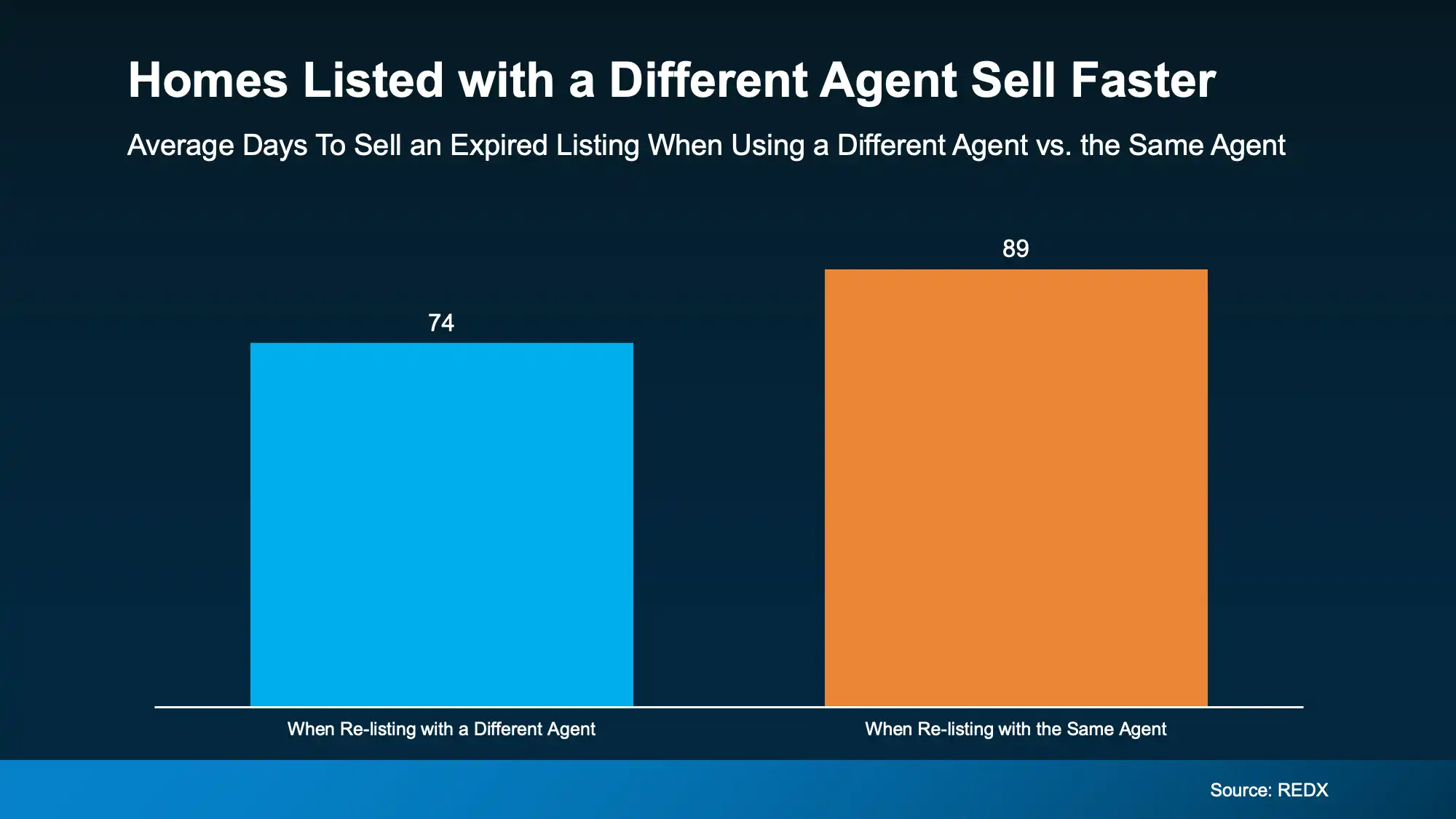
National real estate data consistently shows that sellers who re-list with a different strategy tend to sell at a higher rate than those who repeat the same approach.
The reason is straightforward. A successful relist usually fixes what went wrong the first time. That might mean adjusting the price, improving presentation, expanding exposure, or setting clearer expectations around negotiation.
Many homeowners realize after a listing expires that their expectations were shaped by a very different market. That is why sellers often start by seeing what their home could sell for today before deciding how to move forward. Grounding decisions in current data helps remove emotion from the process.
Relisting works best when it is treated as a reset, not a repeat.
Pricing Is the Most Common Reason Homes Don’t Sell
Pricing is the single biggest factor behind expired listings.
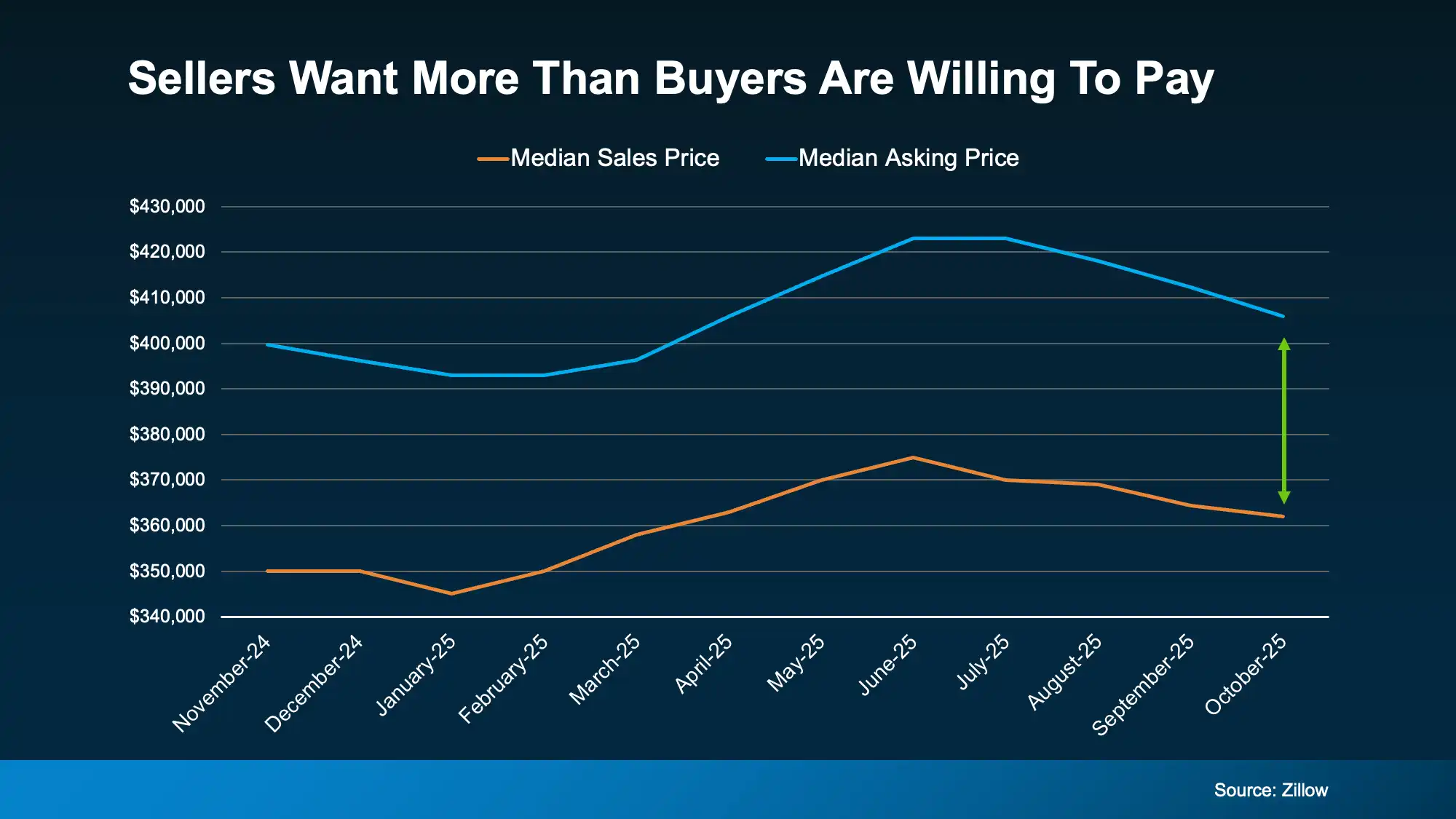
Many homes that fail to sell were priced using sales from 2021 or 2022, automated estimates, or what nearby homes sold for under very different conditions. Buyers today are far less forgiving. Even small pricing gaps can cause a listing to be skipped entirely.
Once a home sits on the market longer than expected, perception becomes an issue. Buyers begin asking why it has not sold, even if nothing is actually wrong with it.
This disconnect between asking prices and buyer behavior reflects broader housing market trends showing that buyers respond quickly to homes that feel appropriately priced and hesitate when something feels off.
Sellers who take time to get a realistic price range before they relist often find that clarity alone changes how quickly buyers engage the second time around.
First Impressions Matter More Than Ever
Before a buyer ever schedules a showing, they make a judgment based on three things: photos, price, and days on market.
Expired listings frequently suffer from presentation issues that compound over time. Poor lighting, outdated photos, cluttered rooms, or minor deferred maintenance can cause buyers to scroll past without a second look.
These issues do not necessarily reflect the true condition of the home, but they strongly influence first impressions.
A second listing deserves a fresh visual approach. Updated photography, neutral staging, and small cosmetic improvements often make a noticeable difference in how buyers perceive value. The goal is not perfection, but clarity.
Exposure Is About Where Buyers Actually Look
Many sellers assume their home had adequate exposure simply because it was listed on the MLS. While MLS placement is important, it is no longer where most buying decisions begin.
Today’s buyers often explore homes by area first. They compare prices, styles, and availability across neighborhoods before focusing on individual listings. They spend time checking competing homes near them to understand what feels like a good fit.
If a listing was not positioned in a way that aligned with how buyers browse, it may not have been as visible as it seemed.
Looking at nearby homes side by side, the same way buyers do, often reveals why one property attracted attention while another did not.
Neighborhood Context Shapes Buyer Decisions
Buyers are not just purchasing a house. They are buying into a location, a routine, and a sense of place.
When a listing lacks neighborhood context, buyers struggle to picture daily life there. That uncertainty can quietly work against a home, even if the property itself checks all the boxes.
Many buyers spend time browsing Nashville-area neighborhoods to compare what different areas offer before committing to a showing. Listings that clearly connect the home to its surroundings often perform better because they help buyers visualize living there.
This is especially important for relocation buyers who may not know the area well.
Flexibility Can Be the Difference Between Selling and Stalling
Buyer expectations have shifted. Many buyers now ask for some combination of repairs, closing cost assistance, or flexible timelines.
When sellers approach negotiations with rigid terms, deals often fall apart even when interest is strong. Flexibility does not mean giving up value. It means understanding where compromise helps move the transaction forward.
Homes that sell faster typically benefit from negotiation strategies that anticipate buyer concerns rather than react to them after the fact.
What Makes the Second Listing Different
A successful relist is not about starting over blindly.
It is about understanding why the first listing did not sell, correcting what held it back, and relaunching with intention.
Sellers who succeed the second time usually do so because the selling process feels more intentional from the very beginning. That includes pricing decisions, marketing choices, and how offers are handled once they come in.
Six1Five Living outlines this approach clearly so sellers know what will change and why before the home ever goes back on the market.
Who Should Consider Relisting Now
Relisting may make sense if:
Your Nashville-area listing recently expired.
You received showings but no offers.
Feedback was vague or inconsistent.
You are still motivated to move, but want a different outcome.
Waiting rarely improves results on its own. What matters is whether the next strategy addresses what the market already signaled.
Bottom Line for Nashville Sellers
If your home did not sell, you are not stuck.
In most cases:
The home was not the problem.
The market was not the problem.
The strategy simply did not match current conditions.
If you are serious about selling a home in Nashville, the right adjustments can completely change the outcome.
For many homeowners, the most helpful next step is talking through why it didn’t sell with someone who can interpret buyer behavior and explain what needs to change before relisting.
Social Cookies
Social Cookies are used to enable you to share pages and content you find interesting throughout the website through third-party social networking or other websites (including, potentially for advertising purposes related to social networking).