

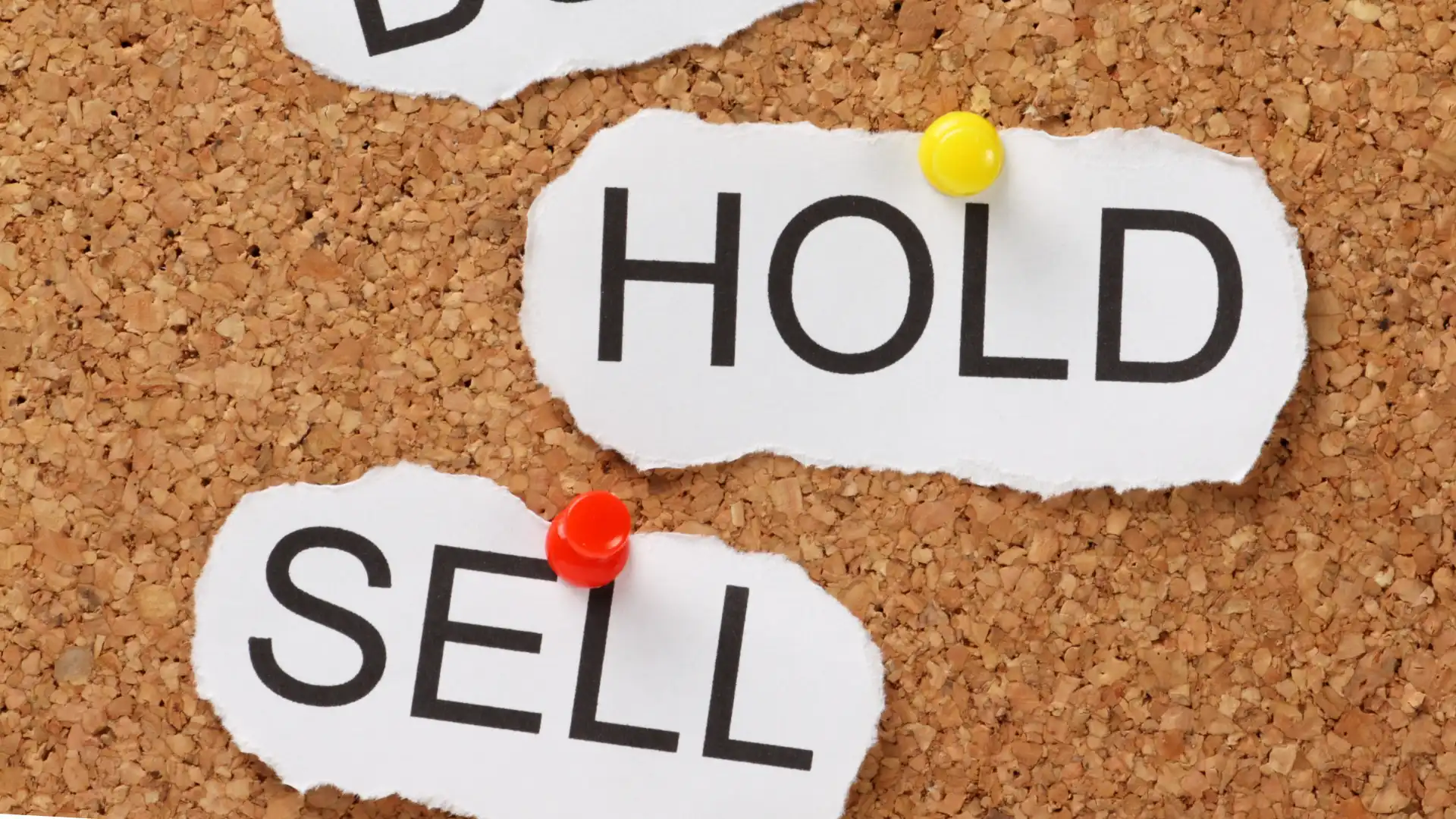
Nashville’s market has shifted. Inventory is up, homes are sitting longer, and buyers have more leverage than they have had in years.
Here is what Nashville sellers need to know to make the right call in 2026, based on where the data actually points.
What the Nashville Market Actually Looks Like Right Now
The numbers tell a specific story. According to Redfin market data from May 2026, the Nashville median sale price sits at approximately $475,000, up 0.5% year-over-year. Homes are averaging 70 days on market, compared to 58 days the same time last year. That is a 21% increase in time to sell.
Inventory has expanded significantly. According to Houzeo market data from June 2026, there are currently more than 10,200 active listings in the Nashville metro, with 6.83 months of supply. A year ago, that figure was 3.35 months. Homes are selling at 97.25% of asking price, meaning the average seller is leaving about 2.75% on the table through price reductions or negotiations.
What This Means if You Are Thinking About Selling
This is not a crashed market. Prices have not collapsed. Demand has not disappeared. Pending sales in March 2026 rose 4% over the prior year, according to Greater Nashville Realtors data via Bill Diebenow, which means buyers are still committing. What has changed is that buyers are now selective. They have choices. They are comparing listings, taking time to inspect, and negotiating concessions in ways that were not possible two or three years ago.
For sellers, this changes the playbook significantly. The strategy of listing high and waiting for the market to catch up does not work in this environment. Overpriced homes sit. Every week a home spends on market past the 30-day mark, buyer perception shifts. The first price reduction triggers the question of what is wrong with it. The home that would have sold at $850,000 in week one will likely sell for less than $820,000 by week eight.
a. The Case for Selling Now
If you have owned your Nashville home for five or more years, you almost certainly have meaningful equity. Nashville appreciation over the past decade has been significant, and while the pace has slowed, prices are not declining. Selling now means capturing that appreciation before conditions shift further.
- Mortgage rates are holding in the mid-6% range. A significant drop that triggers a surge of competing listings is possible but not forecasted with confidence for 2026. If rates drop substantially, more sellers will list, and your competition increases.
- Corporate growth is accelerating demand in specific Nashville corridors. Starbucks, Oracle, and Amazon are collectively bringing thousands of new high-earning employees to Nashville over the next three years. That wave of professional buyers has not fully arrived yet.
- Life circumstances do not wait for market conditions. Relocation, family changes, upsizing, downsizing, and financial decisions are real factors that often outweigh the timing question entirely.
b. The Case for Waiting
Waiting is not automatically wrong. In a balanced market, holding a well-located Nashville property generally protects value over time. If your specific situation allows flexibility, a few scenarios make waiting reasonable:
- Your home needs preparation work. A home that is not move-in ready in this market will underperform. If you need time to complete repairs, paint, update landscaping, or address deferred maintenance, taking the time to do it correctly is worth it.
- You are in a price tier that is particularly sensitive to rate fluctuations. The $900,000 to $1.5 million range in Williamson County has seen more pronounced selectivity. Buyers at that price point are doing deep comparisons and taking their time.
- You have recently purchased and are not yet in a position where selling makes financial sense. Selling too soon after buying, before equity has built, rarely works in any market condition.
The Question That Actually Matters
Most sellers who ask “should I sell now or wait” are really asking a more specific question: will I get more for my home in six months than I would get today?
The honest answer is that Nashville’s structural fundamentals, population growth, corporate relocation, the Super Bowl in 2030, and the East Bank transformation, support long-term value. But waiting six months while your home sits on the market at an aspirational price will almost certainly produce a worse outcome than pricing it correctly today.
The most useful starting point is an accurate, current picture of what your specific home is worth in the current market. A home value estimate based on current comparable sales gives you that anchor before any other decision is made.
For sellers who want to understand what the full process looks like, the seller resources here cover the full picture. And for a direct conversation about your specific situation and timeline, the team is easy to reach.
Is it a good time to sell a house in Nashville in 2026?
It depends on your specific situation and how you approach the sale. The Nashville market has more inventory and longer days on market than in recent years, with homes averaging 70 days to sell as of May 2026. Sellers who price accurately from day one and present their home well are still achieving strong results. Sellers who overprice are sitting longer and accepting lower final prices.
Are Nashville home prices dropping in 2026?
No. Nashville median sale prices are essentially flat year-over-year, sitting at approximately $475,000 as of May 2026, up 0.5% from the same period last year according to Redfin. The market has slowed and rebalanced, but prices have not declined meaningfully. Homes are selling at 97.25% of asking price, which reflects negotiation activity rather than price collapse.
How long does it take to sell a home in Nashville right now?
The current Nashville metro median is 70 days on market as of May 2026, up from 58 days the same time last year. Well-priced, well-presented homes in desirable neighborhoods still move faster. The 70-day average is pulled up by overpriced listings that sit before taking price reductions.
Social Cookies
Social Cookies are used to enable you to share pages and content you find interesting throughout the website through third-party social networking or other websites (including, potentially for advertising purposes related to social networking).